
We support the vision to have agreed and broadly adopted methods across ocean research, operations and applications
What is the OceanPractices AISBL
OceanPractices AISBL (Association Internationale Sans But Lucratif) is an international non-profit organization based in Belgium. It brings together scientists, technicians, institutions, funders, and policymakers to advance and implement ocean best practices worldwide.
Partnership Hub
A platform supporting the design and submission of EU and international proposals by the AISBL and its members.
Innovation and Capacity Building
Unlocking shared resources, expertise, and infrastructure to strengthen and accelerate best practice development.
Community engagement
A global forum enabling broad participation in the evolution, harmonization, and effective implementation of ocean best practices.
Professional exchange
Fostering interaction between scientists and technicians to co-create, refine, and apply robust methodologies.
Technical recognition
Increasing the visibility and impact of technicians and practitioners who develop and apply best practices.
UN Ocean Decade Framework
Closely aligned with the United Nations Decade of Ocean Science for Sustainable Development, contributing through the Ocean Practices for the Decade Programme and collaborating with the Ocean Best Practices System.
Why Join OceanPractices AISBL?
Joining OceanPractices AISBL means becoming part of a global partnership shaping the future of trusted ocean knowledge.
As a member, you can
- Shape the direction of the organization
- Drive innovation through collaborative projects
- Engage in expert working groups
- Contribute to emerging international standards
- Advance interoperable ocean data and information
- Strengthen trust in ocean knowledge
- Leverage best practices for capacity development
Representing the Ocean Best Practices Community
OceanPractices AISBL represents its members collectively at European and international levels, acting as a trusted interface between the community, policymakers, and funding bodies.
Enabling Infrastructure for Best Practices
Strengthening the technical foundations that make trusted, interoperable ocean practices possible
Our Focus
- Promote shared digital infrastructure
- Strengthen tools and technical services
- Support innovation in methods and systems
- Enable interoperable frameworks
- Ensure scalable and sustainable access
- Connect technology with real-world implementation
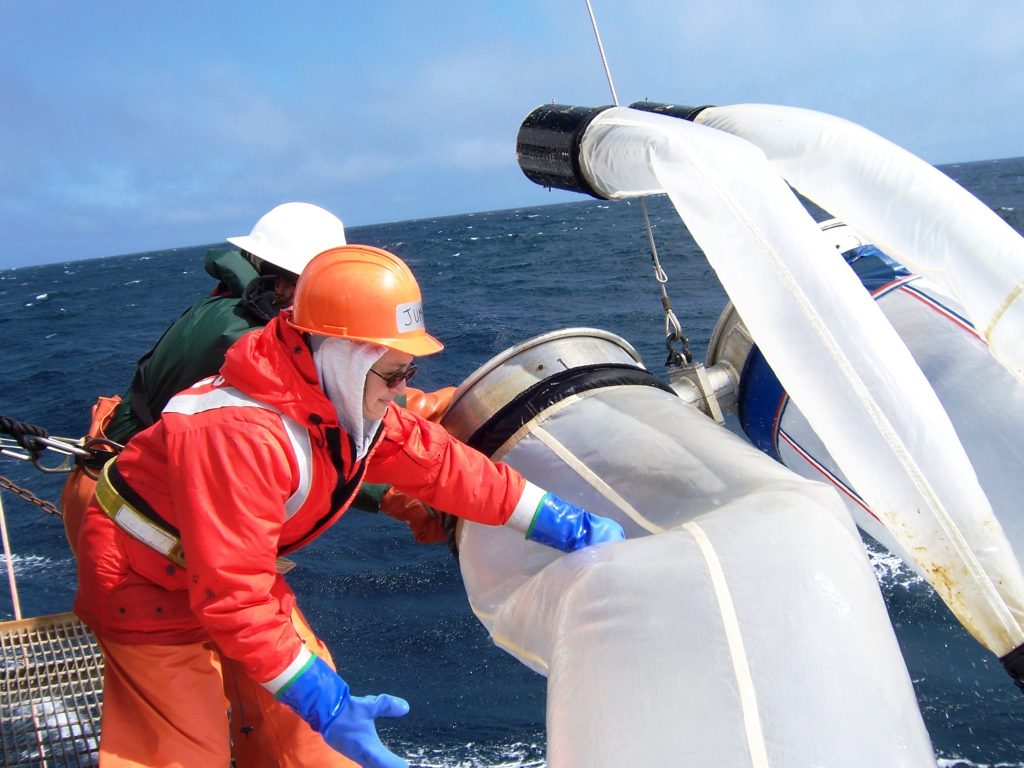
Improving Quality and Efficiency in Ocean Knowledge
- Promote quality assurance in ocean practices
- Strengthen methodological consistency
- Enhance efficiency in data management and dissemination
- Support harmonized procedures across regions
- Encourage transparency and reproducibility
- Accelerate the uptake of validated practices
A best practice is a methodology that has repeatedly produced superior results relative to other methodologies with the same objective: to be fully elevated to a best practice, a promising method will have been adopted and employed by multiple organizations
Jay Pearlmen at al. (2019)
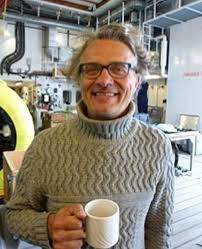
Johannes Karstensen
Chairman
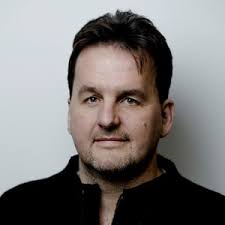
Henning Wehde
Vice-Chairman
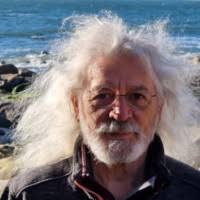
René Garello
Treasurer
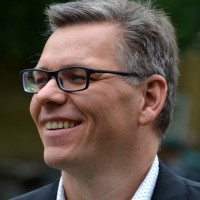
Sebastian Legrand
Secretary
Our Founder Members
OceanPractices AISBL was established through the vision and commitment of leading institutions dedicated to advancing trusted and interoperable ocean knowledge worldwide.
IEEE, French Section
IEEE is the world’s largest technical professional organization dedicated to advancing technology for the benefit of humanity. The French Section comprises over 3000 members.
Institute of Marine Research, Norway
The Norwegian Institute of Marine Research (IMR) is one of the largest marine research institutes in Europe with approximately 1030 employees. Our main activities are research, consultancy and monitoring.
Geomar
GEOMAR Helmholtz Centre for Ocean Research Kiel is one of the world’s leading institutions in marine research. GEOMAR investigates the global ocean from the seafloor to the atmosphere.
Royal Belgian Institute of Natural Sciences
A research institute with more than 200 scientists and many scientific collaborators in different disciplines, from biology, taxonomy and oceanography to geology, palaeontology and anthropology.
Watch, Read, Listen
Join 900+ subscribers
Stay in the loop with everything you need to know.